
Suturing: History, Techniques, Tips and the Essential Suture Practice Kit
1. The History of Suturing: From Ancient Origins to Modern Advances
Suturing is a fundamental skill for medical students and professionals across various specialties. The art of suturing has a rich history, and numerous techniques have evolved over time to provide effective wound closure. This blog post will delve into the history of suturing, discuss common suture techniques and their applications, and offer tips to refine your suturing skills. With practice and the right tools, such as a high-quality suture practice kit, you’ll be well on your way to mastering the art of suturing.
1.1 Ancient Origins of Suturing
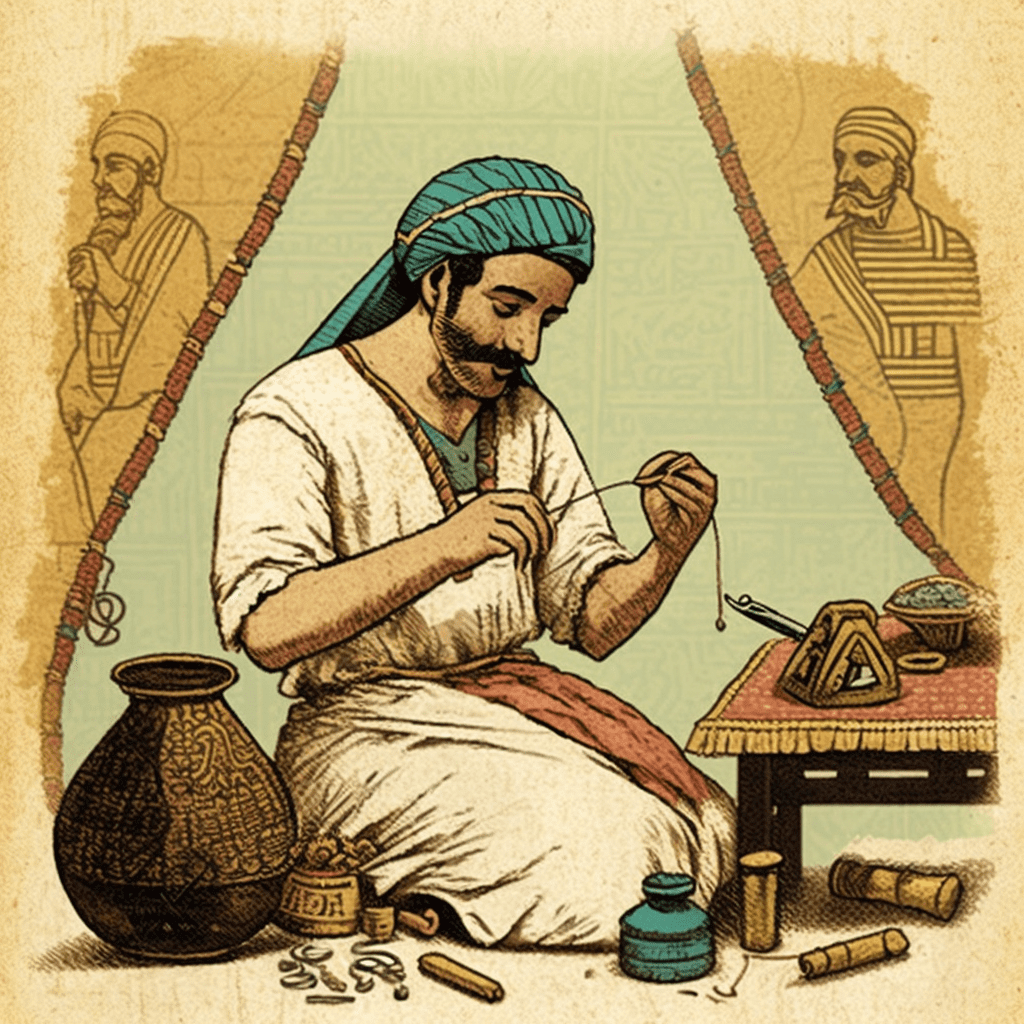
The practice of suturing has a fascinating history that can be traced back thousands of years to ancient civilizations like Egypt and India. Early practitioners recognized the need for effective wound closure to promote healing and reduce the risk of infection. The materials used in these ancient times were quite different from what we use today, but their ingenuity laid the foundation for modern suturing techniques.
In ancient Egypt and India, animal sinew and plant fibers were commonly used as suture materials. These natural resources were readily available and provided enough strength to hold the wound edges together during the healing process. Archaeological evidence from around 3000 BCE shows that Egyptian physicians used linen thread for suturing, while Indian practitioners relied on fibers from the bark of trees and even human hair.
Despite the limitations of early suture materials, ancient surgeons still managed to develop several suturing techniques. The Edwin Smith Papyrus, an ancient Egyptian medical text dating back to around 1600 BCE, describes the use of sutures in treating various types of wounds. The Sushruta Samhita, an Indian text from around the same period, also provides detailed descriptions of suturing methods and the importance of wound care.
Building upon the foundations laid by ancient practitioners, suture materials and techniques continued to evolve over time, adapting to the needs of the medical community and the growing understanding of wound healing. As we journey through history, we’ll see how the field of suturing advanced with the introduction of new materials and the contributions of pioneering surgeons.
During the Middle Ages, suturing materials such as silk, horsehair, and even metal wires like silver and gold began to gain popularity. These materials offered improved tensile strength and durability compared to their ancient counterparts. It was during this time that French surgeon Ambroise Paré introduced the use of waxed silk for sutures, making them less likely to harbor infection and easier to handle.
The 19th century brought further advancements in suturing with the introduction of absorbable sutures, such as catgut (made from animal intestines). The pioneering work of British surgeon Joseph Lister in the field of antiseptic surgery also played a significant role in advancing suturing techniques. Lister’s groundbreaking research emphasized the importance of using sterilized sutures to minimize the risk of infection and improve patient outcomes.


In the 20th century, the development of synthetic suture materials revolutionized the practice of suturing. Materials such as nylon, polypropylene, and absorbable options like polyglactin offered a wide range of benefits, including improved tensile strength, reduced tissue reaction, and better control over the absorption rate.
1.2 Embracing the Future: Modern Advancements in Suturing
The field of suturing has come a long way since its ancient origins. Thanks to relentless innovation and technological advancements, today’s medical students and professionals have access to a wide variety of suture materials and cutting-edge techniques that allow for more efficient and effective wound closure.
Modern suture materials offer a range of advantages to suit different surgical needs. Nylon and polypropylene, for instance, are non-absorbable synthetic materials known for their excellent tensile strength and minimal tissue reactivity. On the other hand, absorbable options like polyglactin are designed to break down in the body over time, eliminating the need for suture removal and reducing the risk of complications.
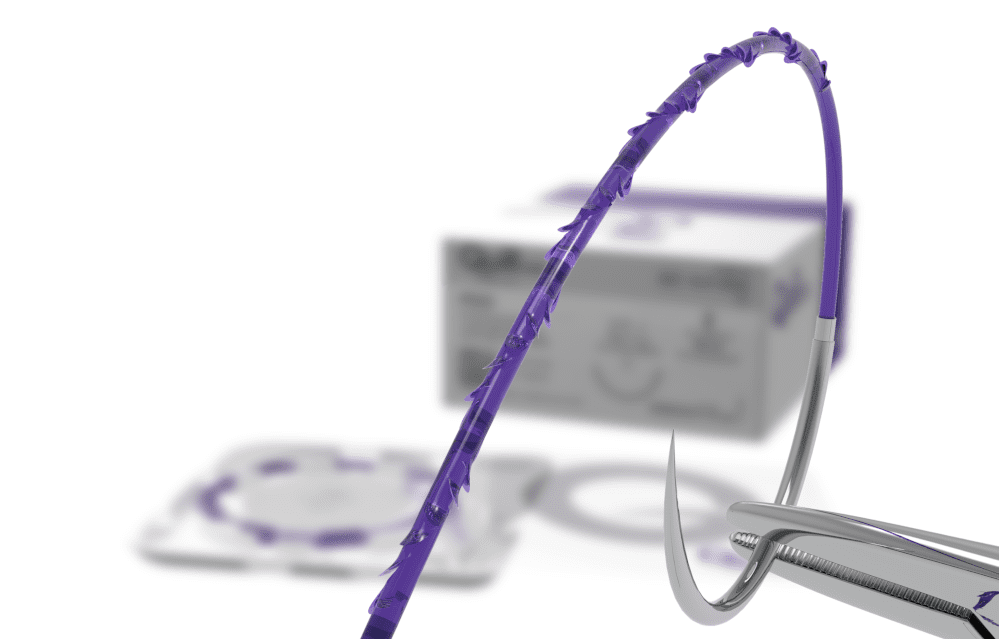
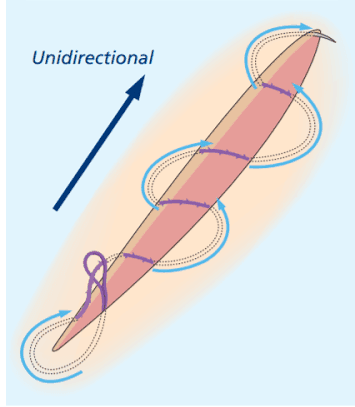
In addition to the diverse array of suture materials available, technology has also played a crucial role in shaping the future of suturing. One of the most notable advancements in recent years is the development of barbed sutures. These specially designed sutures feature tiny barbs along their length, which distribute tension evenly across the wound and eliminate the need for knot-tying. Barbed sutures have become increasingly popular in various surgical procedures, from plastic surgery to orthopedics, due to their ability to facilitate faster and more secure wound closure.
Another innovation that has transformed the practice of suturing is the surgical stapler. These mechanical devices offer a quick and efficient alternative to traditional suturing, particularly for larger wounds and internal procedures. Surgical staplers can reduce operative time and minimize the risk of complications, making them an invaluable tool in the modern surgical suite.
The ever-evolving landscape of suturing techniques and materials demonstrates the ongoing commitment of the medical community to advancing patient care. As we look to the future, it’s essential for medical students and professionals to stay informed about new developments and refine their skills through practice and education. In the next section, we’ll delve into common suture techniques and their applications, providing a solid foundation for those looking to master the art of suturing.
2. Common Suture Techniques: A Comprehensive Overview
2.1 Mastering the Basics: The Simple Interrupted Suture
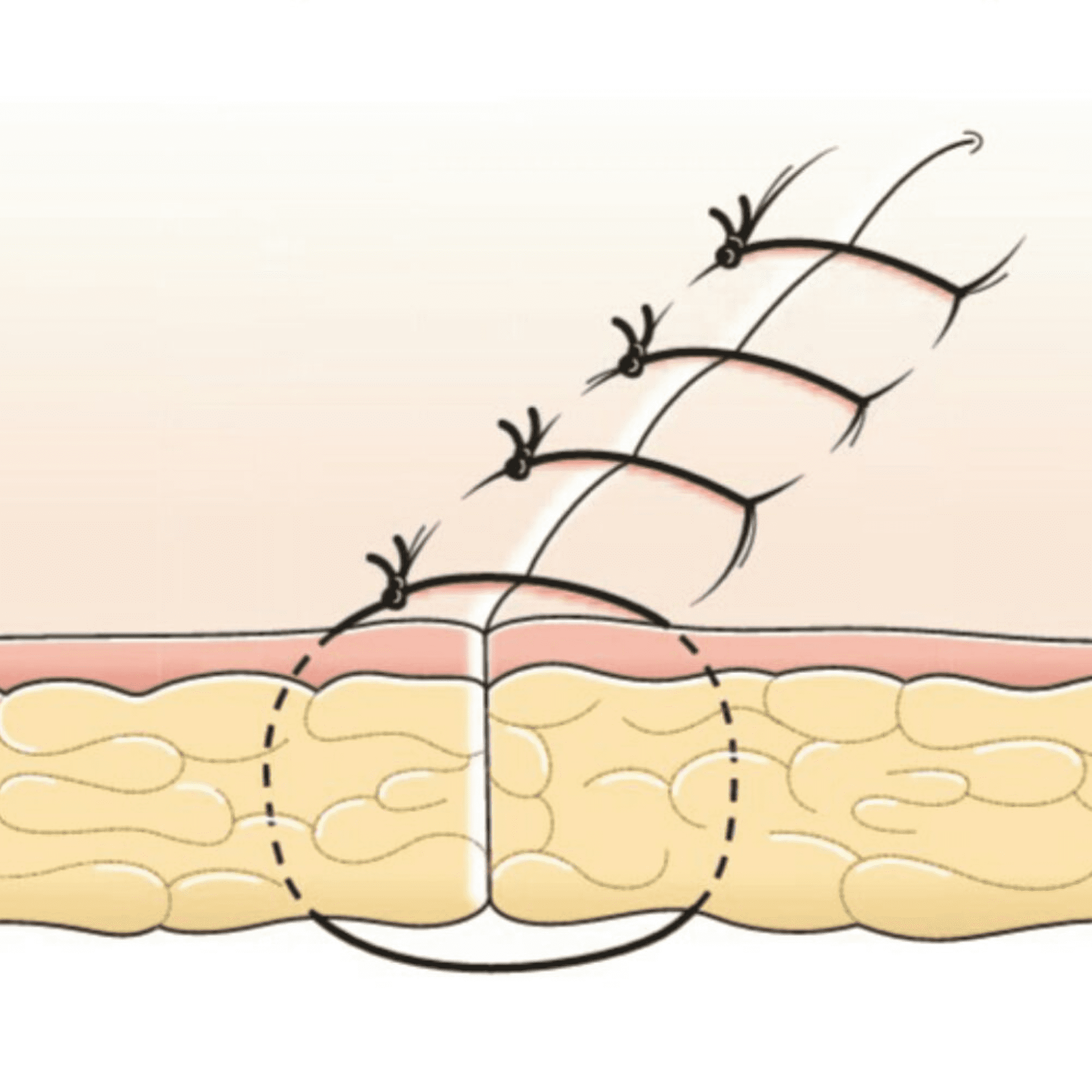
As we explore the world of suturing techniques, it’s important to start with the fundamentals. The simple interrupted suture is the most basic and widely used suturing technique, favored for its versatility and ease of use. Medical students and professionals alike will find this technique to be a cornerstone of their suturing repertoire.
The simple interrupted suture is ideal for low-tension wounds and offers precise wound edge approximation. This technique involves placing individual sutures along the length of the wound, with each suture being tied and secured independently. The result is a series of evenly spaced knots that provide uniform tension and support throughout the wound. The ability to adjust the tension of each suture independently makes this technique particularly useful for wounds with irregular edges or varying tissue thickness.
One of the key benefits of the simple interrupted suture is its adaptability. It can be used with a wide range of suture materials and needle types, making it suitable for a variety of clinical scenarios. Moreover, because each suture is tied independently, the simple interrupted technique minimizes the risk of the entire suture line failing due to a single knot coming undone.
As you begin to practice and refine your suturing skills, it’s crucial to become proficient in the simple interrupted technique, as it serves as the foundation for many other suturing methods.
2.2 Expanding Your Skill Set: Continuous Sutures
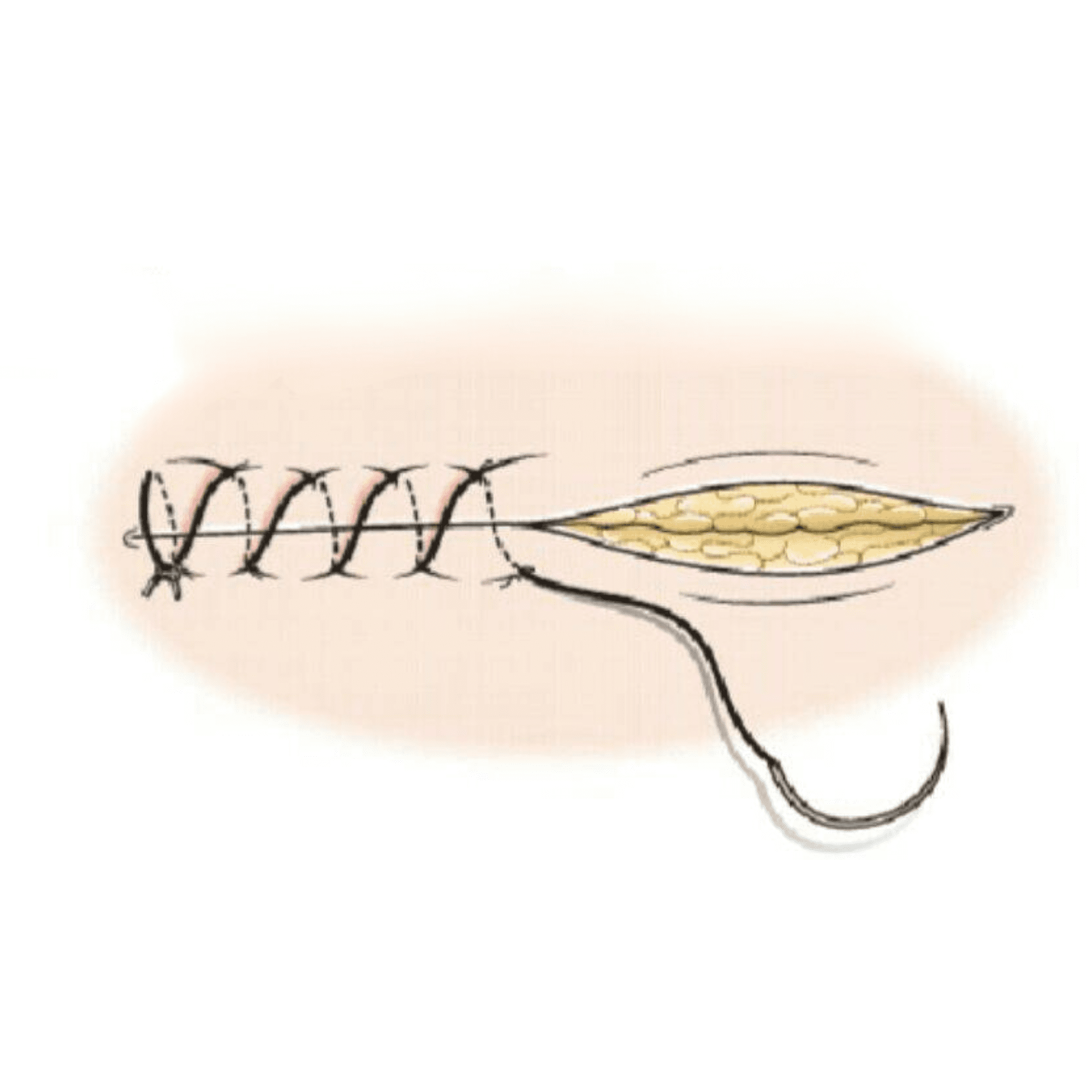
As you become more proficient in suturing, it’s essential to familiarize yourself with various techniques that cater to different surgical needs. Continuous sutures, also known as running sutures, offer several advantages over their simple interrupted counterparts, particularly in terms of speed and efficiency.
Continuous sutures involve placing a series of stitches along the length of the wound without cutting and tying each suture individually. Instead, the suture material is threaded continuously from one end of the wound to the other, with a single knot used to secure the suture at the beginning and end. This technique allows for quicker wound closure and reduced suture material usage, making it an appealing option for longer incisions or when time is of the essence.
While continuous sutures boast several benefits, it’s important to recognize their potential drawbacks. One such limitation is the potential to compromise wound edge eversion, which is the slight outward rolling of the wound edges that promotes optimal healing. Since the tension in a continuous suture line is distributed across the entire length of the wound, any loosening or uneven tension can result in suboptimal edge approximation.
Furthermore, continuous sutures may not be the best choice for wounds under high tension, as the failure of a single knot could cause the entire suture line to unravel. In such cases, simple interrupted sutures or other alternatives may be more appropriate.
2.3 Distributing Tension Effectively: Mattress Sutures
The Mattress sutures are a valuable technique to master, as they excel at distributing tension across the wound and maintaining proper tissue alignment, making them an ideal choice for high-tension areas.
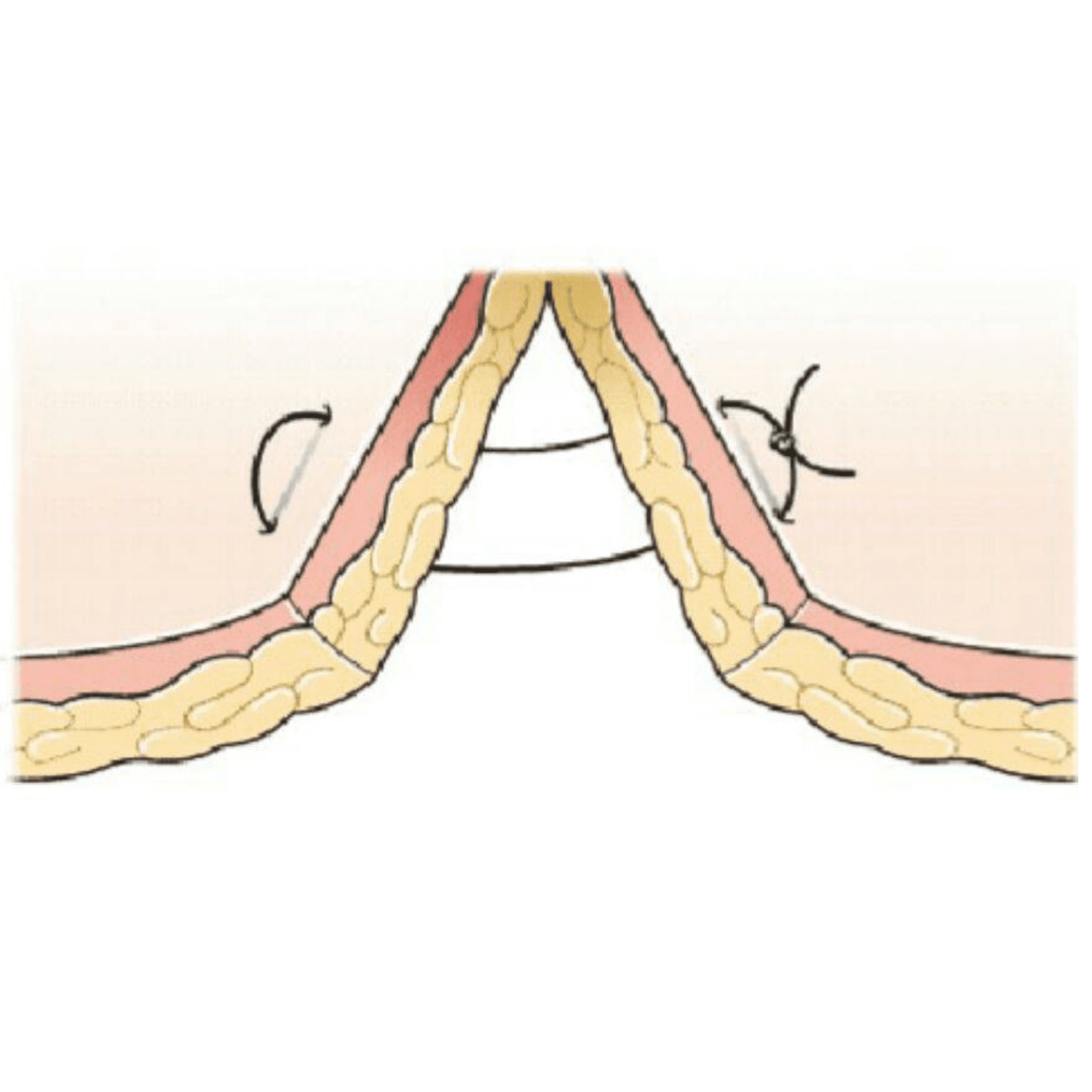
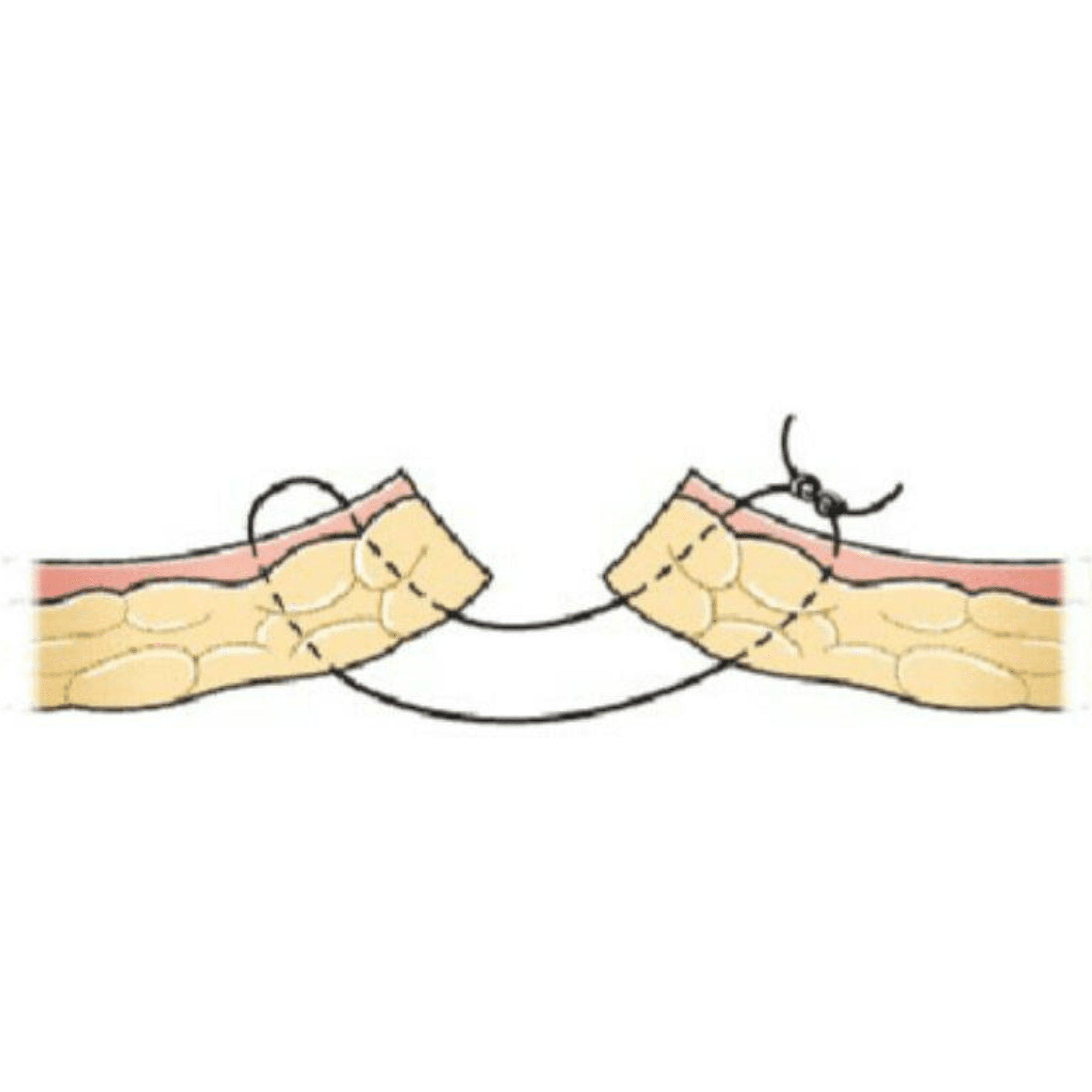
Mattress sutures come in two main types: horizontal and vertical. Both types involve placing the suture in a way that the needle penetrates the tissue at a distance from the wound edge, then crosses the wound and exits on the opposite side at an equal distance. This creates a loop that surrounds the wound, providing additional support and distributing tension more evenly compared to simple interrupted or continuous sutures.
HORIZONTAL MATTRESS SUTURE
Horizontal mattress sutures have the needle enter and exit the tissue in a parallel fashion relative to the wound edges. This technique is particularly useful for wounds with significant tension or when precise tissue alignment is crucial. One of the advantages of horizontal mattress sutures is their ability to maintain wound edge eversion, which promotes optimal healing.
VERTICAL MATTRESS SUTURE
Vertical mattress sutures, on the other hand, involve placing the needle perpendicular to the wound edges, creating a “far-near-near-far” pattern. This technique is often used for wounds with uneven tissue thickness or when there is a risk of tissue ischemia due to excessive tension. Vertical mattress sutures can provide increased support without compromising blood supply to the tissues.
While mattress sutures offer numerous benefits, it’s essential to note that they can be more challenging to place and remove compared to simpler techniques. Additionally, they may be associated with a higher risk of suture marks or scarring, particularly if left in place for too long.
2.4 Achieving Aesthetic Excellence: Subcuticular Sutures
As a medical professional, it’s essential to consider not only the functional aspects of wound closure but also the cosmetic results, particularly when working with highly visible areas such as the face or neck. Subcuticular sutures, also known as intradermal sutures, are a valuable technique for minimizing scarring and achieving excellent cosmetic results, as they are placed in the dermal layer just below the skin’s surface.
Subcuticular sutures can be performed using either absorbable or non-absorbable suture materials, depending on the specific circumstances and the surgeon’s preference. The technique involves placing a series of horizontal stitches parallel to the wound edges, with the needle passing through the dermis and emerging at the opposite side of the wound. The suture is then looped back, entering the dermis on the same side and continuing the process along the length of the wound. This creates a continuous suture line that effectively approximates the wound edges without penetrating the outer layer of the skin.
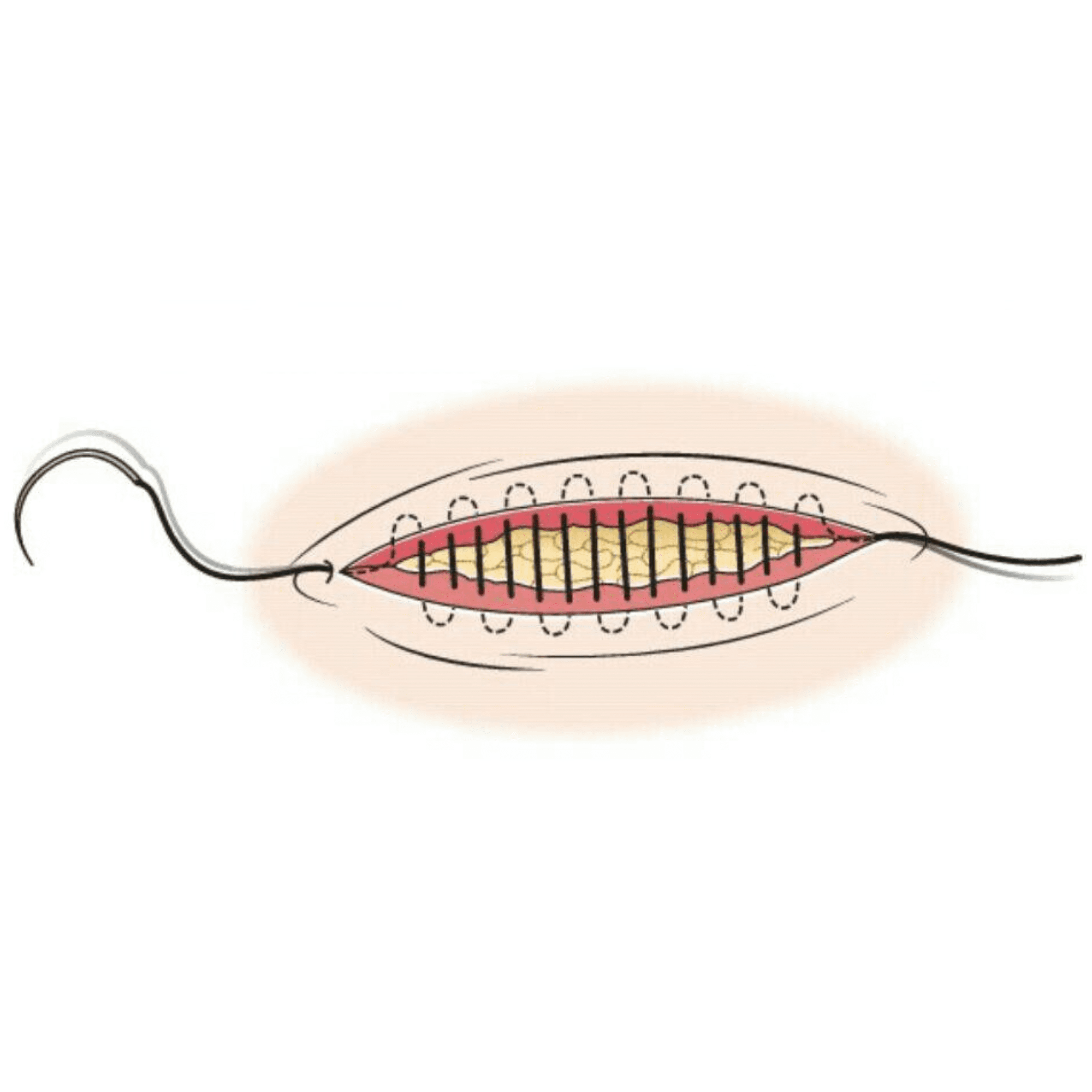
One of the primary advantages of subcuticular sutures is their ability to minimize the risk of suture marks or “track marks,” which can result from external sutures. By keeping the suture line hidden within the dermis, the healing process is less likely to leave visible scars. Additionally, subcuticular sutures can provide better tension distribution than external sutures, allowing for more precise wound edge approximation.
It’s worth noting that subcuticular sutures can be more challenging and time-consuming to place compared to other techniques, requiring a steady hand and meticulous attention to detail. They may also be less suitable for wounds with significant tension or irregular edges, in which case alternative suturing methods may be more appropriate.
2.5 When and Why to Use Different Suturing Techniques
As a medical professional, your ability to select the appropriate suturing technique for each situation is paramount to achieving optimal patient outcomes. The choice of suturing technique depends on various factors, including the location and depth of the wound, the level of tension, and the desired cosmetic outcome. Here’s a list of considerations to help you make informed decisions about which technique to use in different scenarios.
-
-
-
Location and depth of the wound:
The anatomical location of the wound and the depth of the incision play a significant role in determining the most suitable suturing technique. For example, subcuticular sutures may be preferred for superficial wounds in highly visible areas, while deep tissue wounds might require buried sutures or layered closure techniques.
-
-
-
-
-
Tension:
The level of tension in the wound is another critical factor to consider. For low-tension wounds, simple interrupted sutures may be sufficient. However, for high-tension areas or when precise tissue alignment is necessary, mattress sutures can provide better support and tension distribution. Continuous sutures can be a more efficient option for longer incisions, but they may not be suitable for high-tension wounds, where the failure of a single knot could jeopardize the entire suture line.
-
-
-
-
-
Desired cosmetic outcome:
When suturing in cosmetically sensitive areas, such as the face or neck, it’s essential to minimize scarring and achieve the best possible aesthetic results. Subcuticular sutures can be particularly useful in these situations, as they are placed just below the skin’s surface, reducing the risk of visible suture marks and scarring.
-
-
-
-
-
Patient factors:
Finally, it’s important to take into account individual patient factors when selecting a suturing technique. Factors such as the patient’s age, skin type, and overall health can influence the healing process and the risk of complications. For example, patients with compromised immune systems or a history of keloid formation may require special consideration when selecting suture materials and techniques.
-
-
As a medical professional, your ability to select the appropriate suturing technique for each situation is paramount to achieving optimal patient outcomes. The choice of suturing technique depends on various factors, including the location and depth of the wound, the level of tension, and the desired cosmetic outcome. Here’s a list of considerations to help you make informed decisions about which technique to use in different scenarios.
3. Choosing the Ideal Suture Material and Needle for Effective Wound Closure
3.1 Suture Material
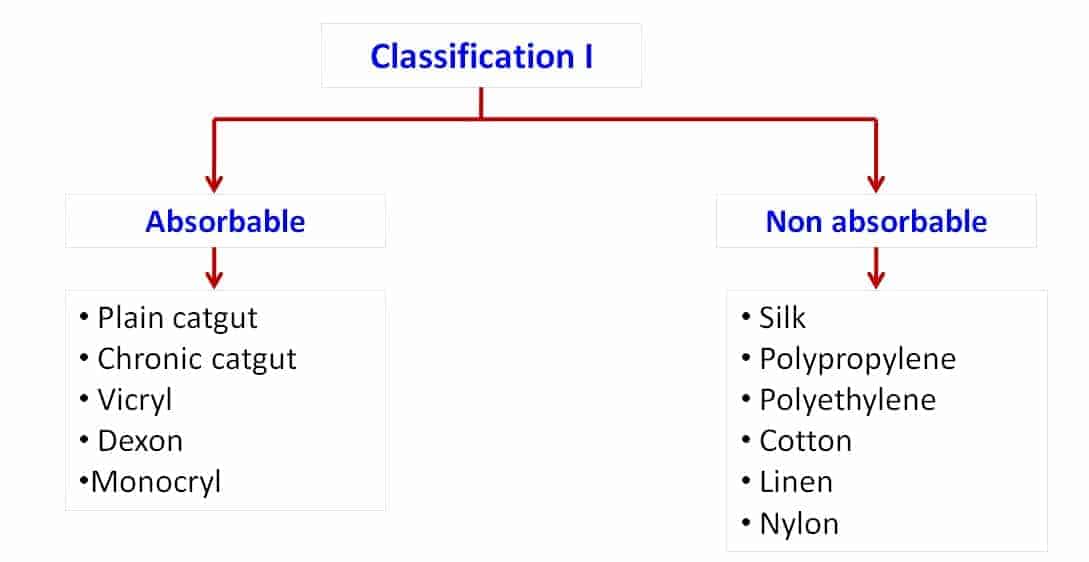
Suture materials can be broadly categorized into absorbable and non-absorbable types. Absorbable sutures, such as polyglactin, are gradually broken down and absorbed by the body over time. These sutures are ideal for internal tissue layers or when suture removal might be problematic. Non-absorbable sutures, such as nylon or polypropylene, remain in the body indefinitely and may require removal once the wound has healed. Factors to consider when selecting suture materials include:
- Absorbability: Depending on the wound location and tissue type, you may need to select an absorbable or non-absorbable suture material.
- Tensile Strength: Choose a suture material with appropriate tensile strength to provide adequate wound support and minimize the risk of dehiscence.
- Potential for Infection: Some suture materials may carry a higher risk of infection than others. Consider using materials with lower infection potential, particularly in patients with compromised immune systems or a history of wound complications.
3.1 Needle Selection
The choice of needle is crucial for ensuring proper tissue penetration and minimal trauma during suturing. Factors to consider when selecting a needle include:
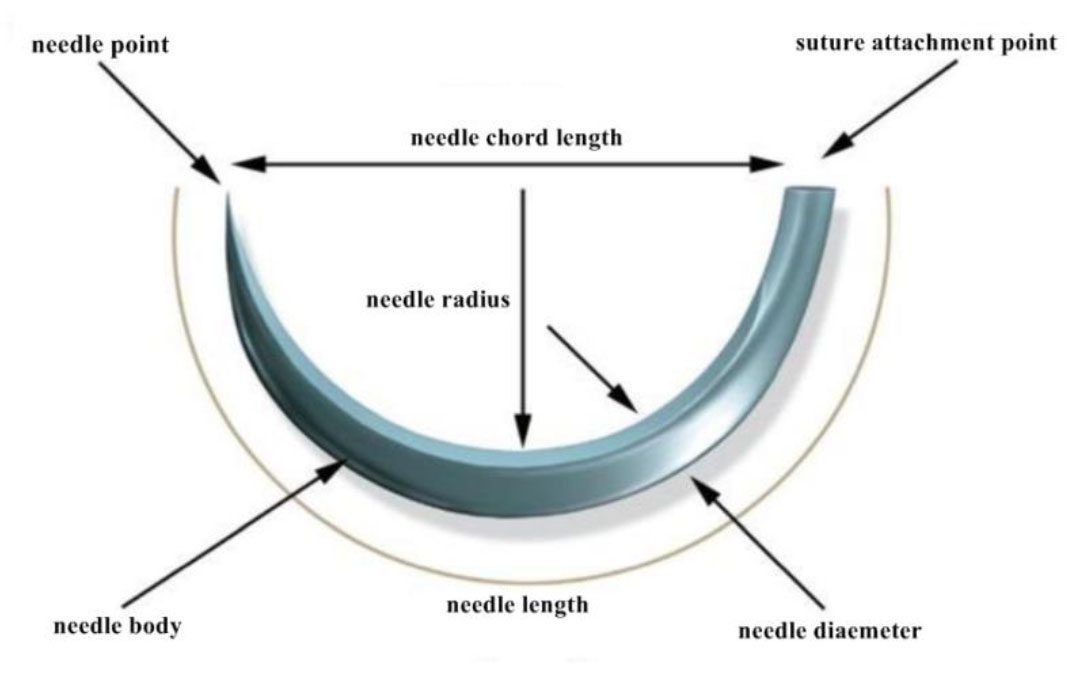
- Tissue Type: Different needle shapes and sizes are designed for various tissue types. For example, cutting needles are suitable for dense tissues such as skin or fascia, while tapered needles are ideal for delicate tissues like blood vessels or bowel.
- Required Precision: Smaller, more delicate needles are better suited for intricate suturing tasks or working in confined spaces, while larger needles may be more appropriate for deep tissue layers or high-tension wounds.
Selecting the right suture material and needle is a vital aspect of successful wound closure and healing. By considering factors like absorbability, tensile strength, infection potential, tissue type, and required precision, you can make informed decisions about which materials and needles to use in different clinical scenarios. With a comprehensive understanding of these considerations, you will be better equipped to provide the highest standard of care to your patients and achieve optimal wound closure outcomes.
4. The Role of Suture Practice Kits in Surgical Training
4.1 Invaluable Tools for Skill Development and Mastery
Suture practice kits play a critical role in the development of surgical skills for medical students and professionals alike. Offering a risk-free environment for hands-on practice, these kits enable users to refine their techniques and build confidence in their suturing abilities. Here are some benefits of using a suture practice kit and how it contributes to the growth and expertise of those in the medical field.
- Realistic Practice Environment: High-quality suture practice kits, are designed to replicate the feel and texture of real human tissue. Featuring an anatomically accurate representation of skin, fat, and muscle layers, as well as various types of wounds, these kits provide a realistic practice experience that prepares users for real-life clinical scenarios.
- Risk-Free Learning: One of the primary benefits of using a suture practice kit is that it allows users to hone their skills without the risks associated with practicing on live patients. Medical students and professionals can practice various suturing techniques, make mistakes, and learn from them without causing harm or discomfort to others.
- Skill Development and Mastery: Regular practice on a suture practice kit helps users develop muscle memory and refine their suturing techniques. Combined with guidance and feedback from experienced professionals, this practice ultimately leads to improved skills and confidence in the operating room or clinical setting.
4.2 Choosing the Best Suture Practice Kit for Your Surgical Training Journey
When selecting a kit, it’s essential to find one that offers the features necessary to support your skill development and mastery. Here are some tips to finding the perfect suture practice kit.
1. Realistic, Durable, and Reusable Practice Options
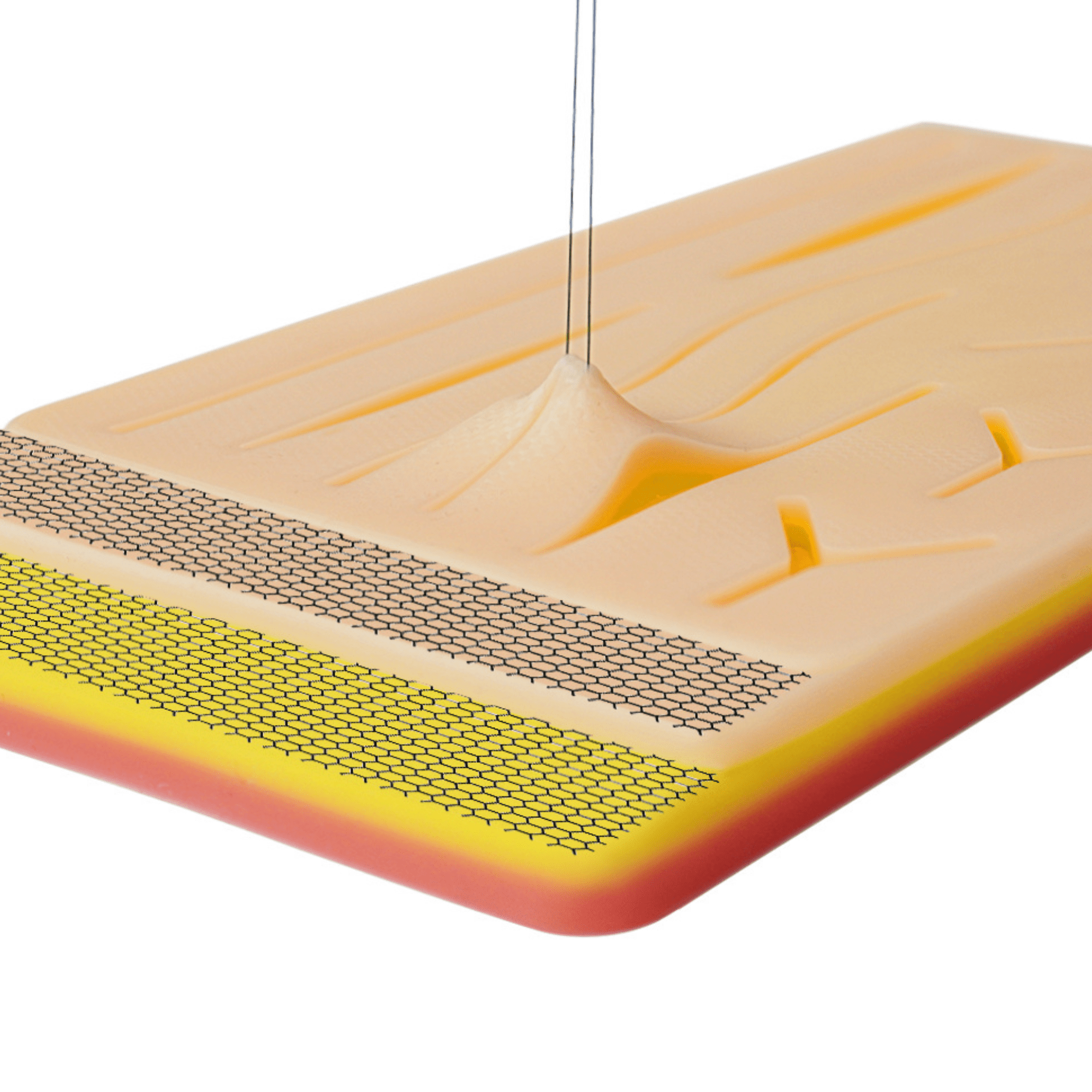
A high-quality suture practice kit should closely resemble the feel and texture of real human tissue, providing users with an authentic learning experience. It should also be durable and reusable, allowing for multiple practice sessions. For example, our suture practice pad is designed to be used up to 100 times per wound when the correct technique is employed.
2. Variety of Wound Types
To truly master suturing skills, it’s crucial to practice on a range of different wound types. A good suture practice kit should include various wound designs, allowing users to become proficient in handling diverse clinical scenarios.

3. Anatomical Representation of Tissue Layers
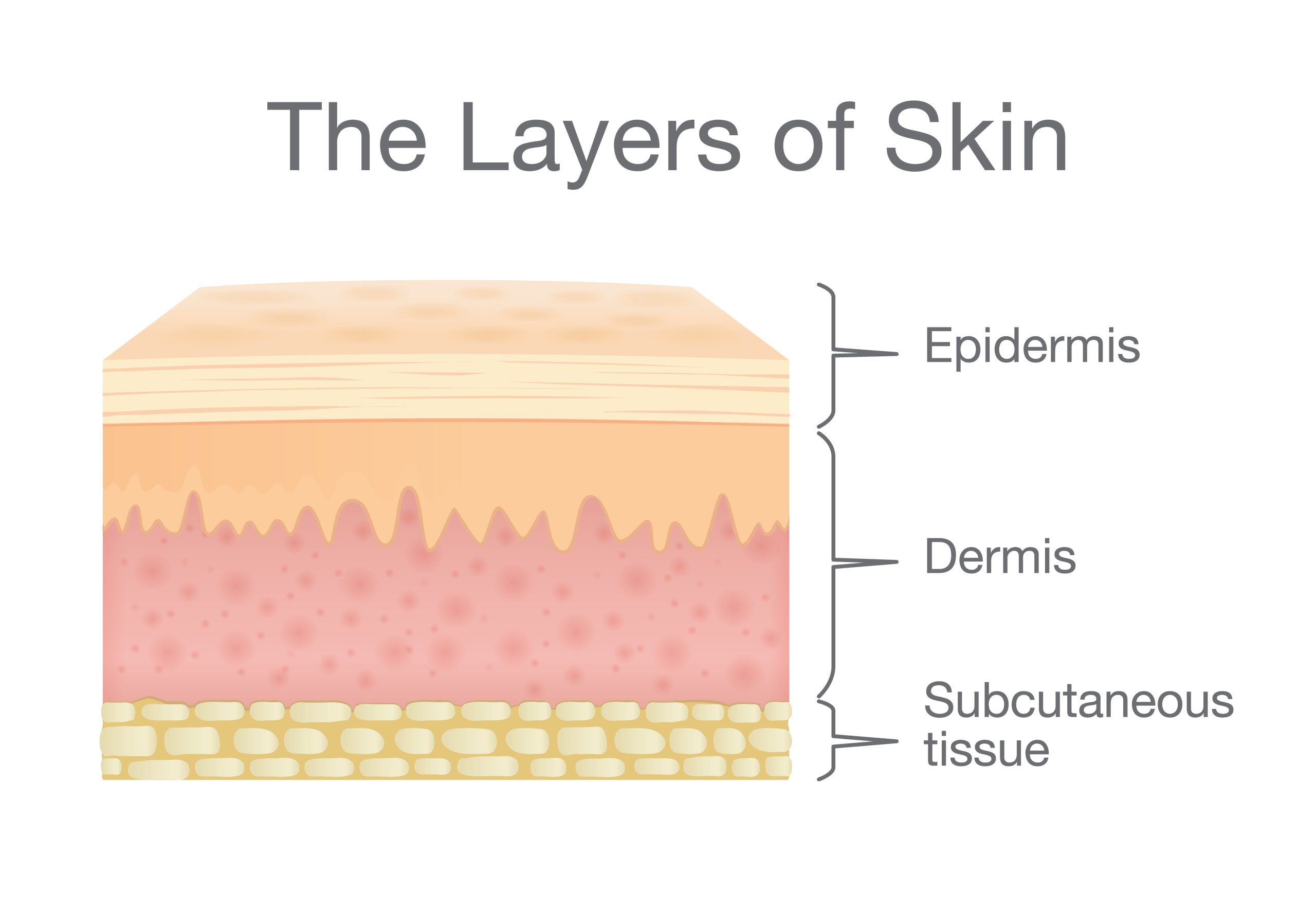
Understanding the characteristics of different tissue layers is vital for successful suturing. Look for a suture practice kit that accurately represents the skin, fat, and muscle layers to help you develop a strong anatomical understanding and select appropriate sutures and techniques.
4. Comprehensive Educational Resources
A suture practice kit that includes additional educational materials, such as video courses or instructional guides, can further enhance the learning experience.

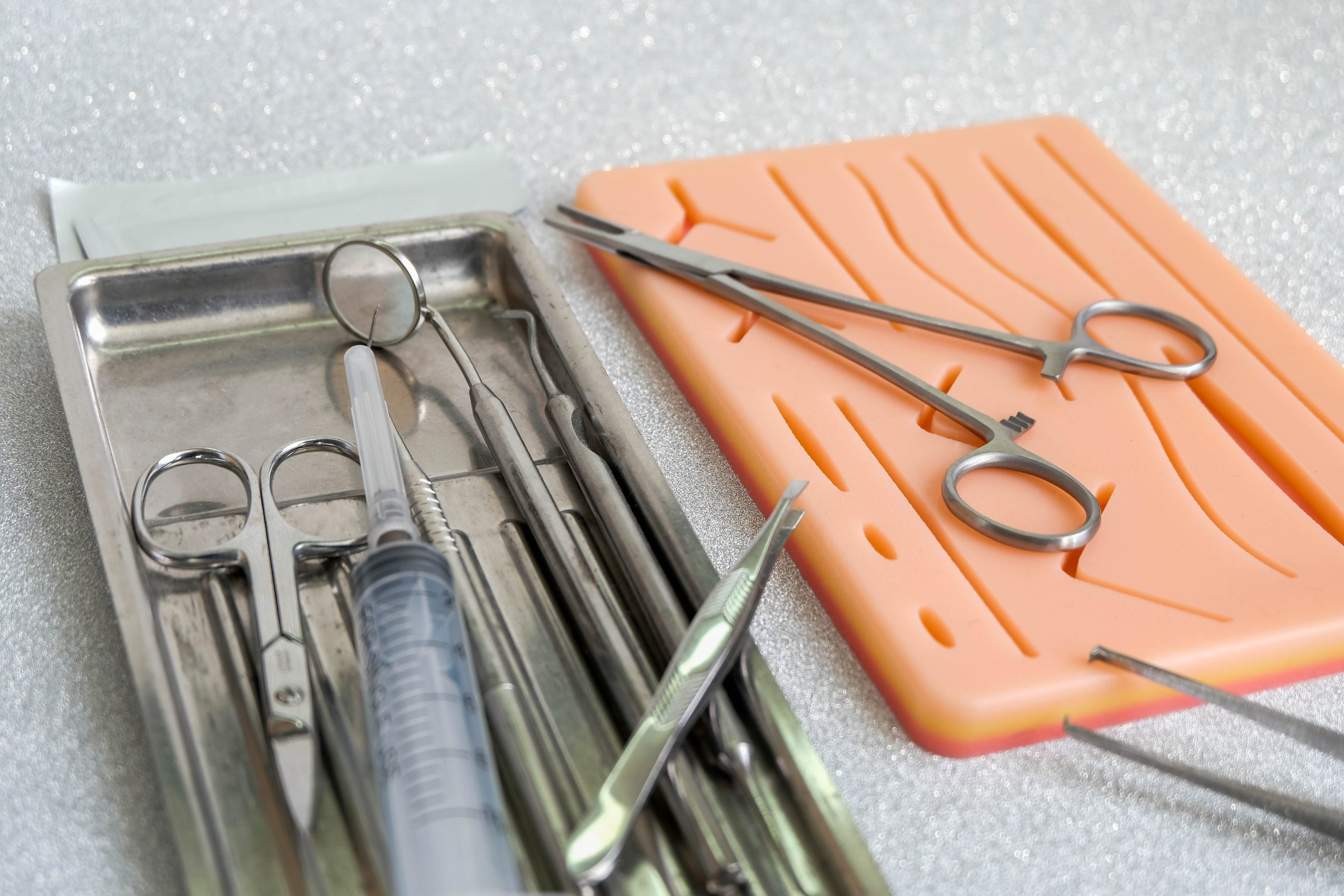
5. Correct Suture Tools
Equipping yourself with the right suture tools is vital for achieving precision and efficiency in suturing. Ensure that your suture practice kit contains the following:
• Needle holder: A vital tool for holding and manipulating the suture needle, it should have a secure grip and be comfortable to use.
• Suture scissors: Designed for cutting suture thread with precision, opt for a pair with sharp, fine tips.
• Tissue forceps: Used to handle and stabilize tissues during suturing, select forceps with atraumatic, serrated tips to minimize tissue damage.
• Adson forceps: Featuring a toothed design, these forceps are excellent for holding and manipulating delicate tissues.
• Scalpel handle and blades: Practice making precise incisions using a scalpel handle with replaceable blades. Ensure you have a range of blade sizes to cater to different wound types.
Including these essential tools in your suture practice kit will not only ensure you have everything needed for practicing various suturing techniques but also help you familiarize yourself with the instruments you’ll encounter in real-life clinical settings.
In conclusion
Empowering The Medical Field of Tomorrow
If you have a suggestion or just want to write to us